Sustainable Hotel Linen in 2026: A Buyer's Guide
How to build a sustainable hotel linen program in 2026: ESG drivers, eco-friendly fabrics, green certifications, and a procurement checklist.
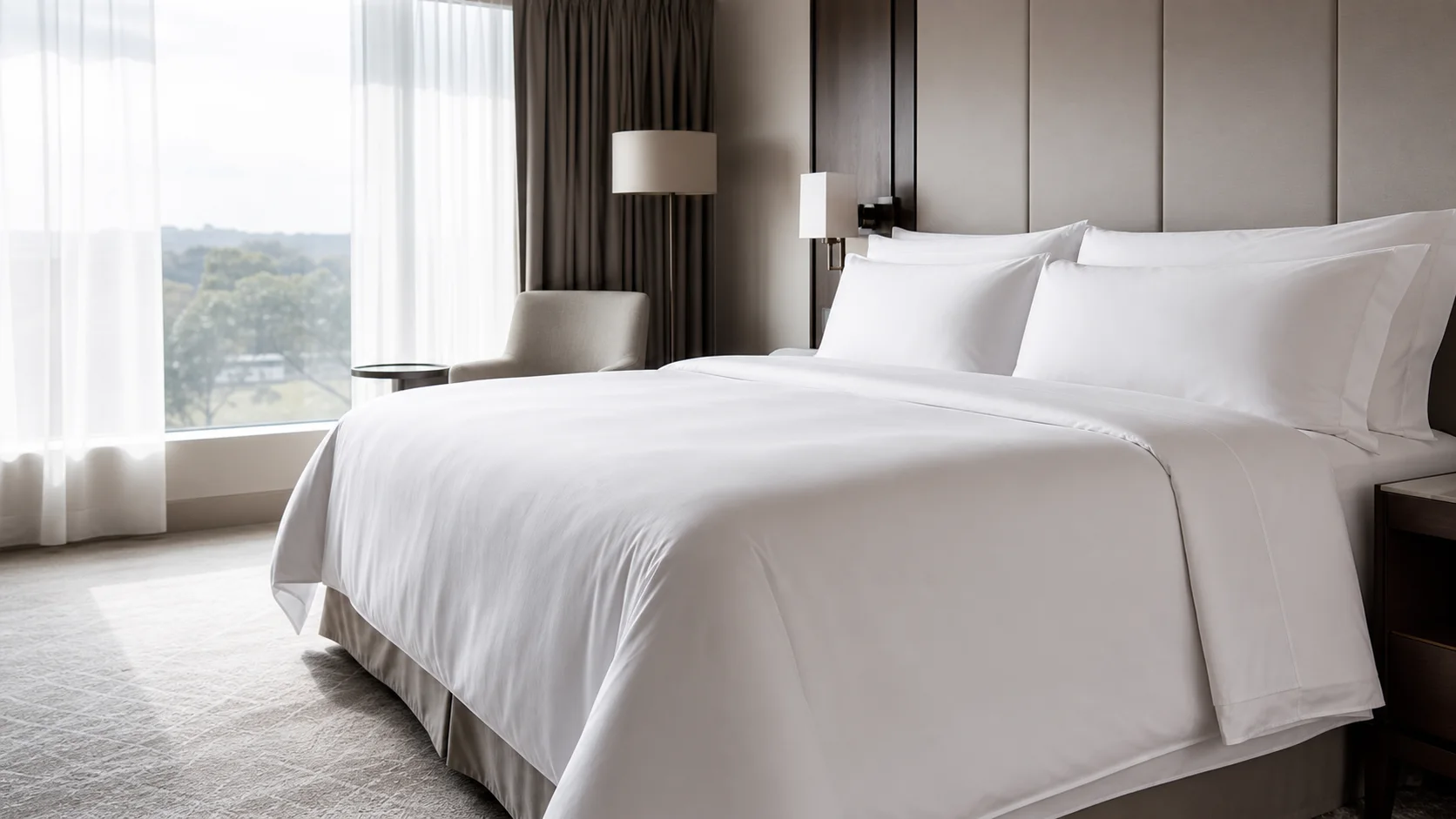
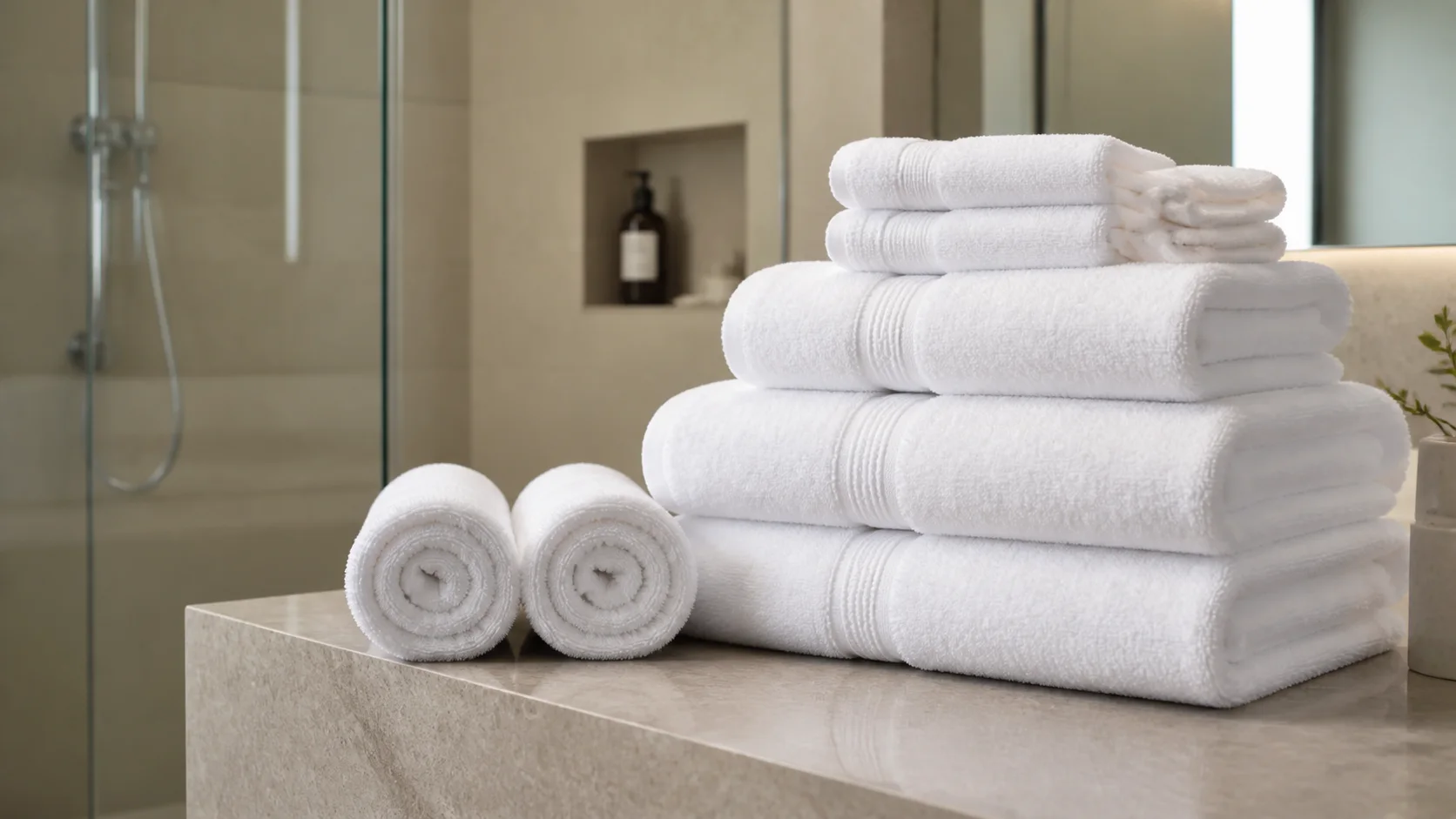
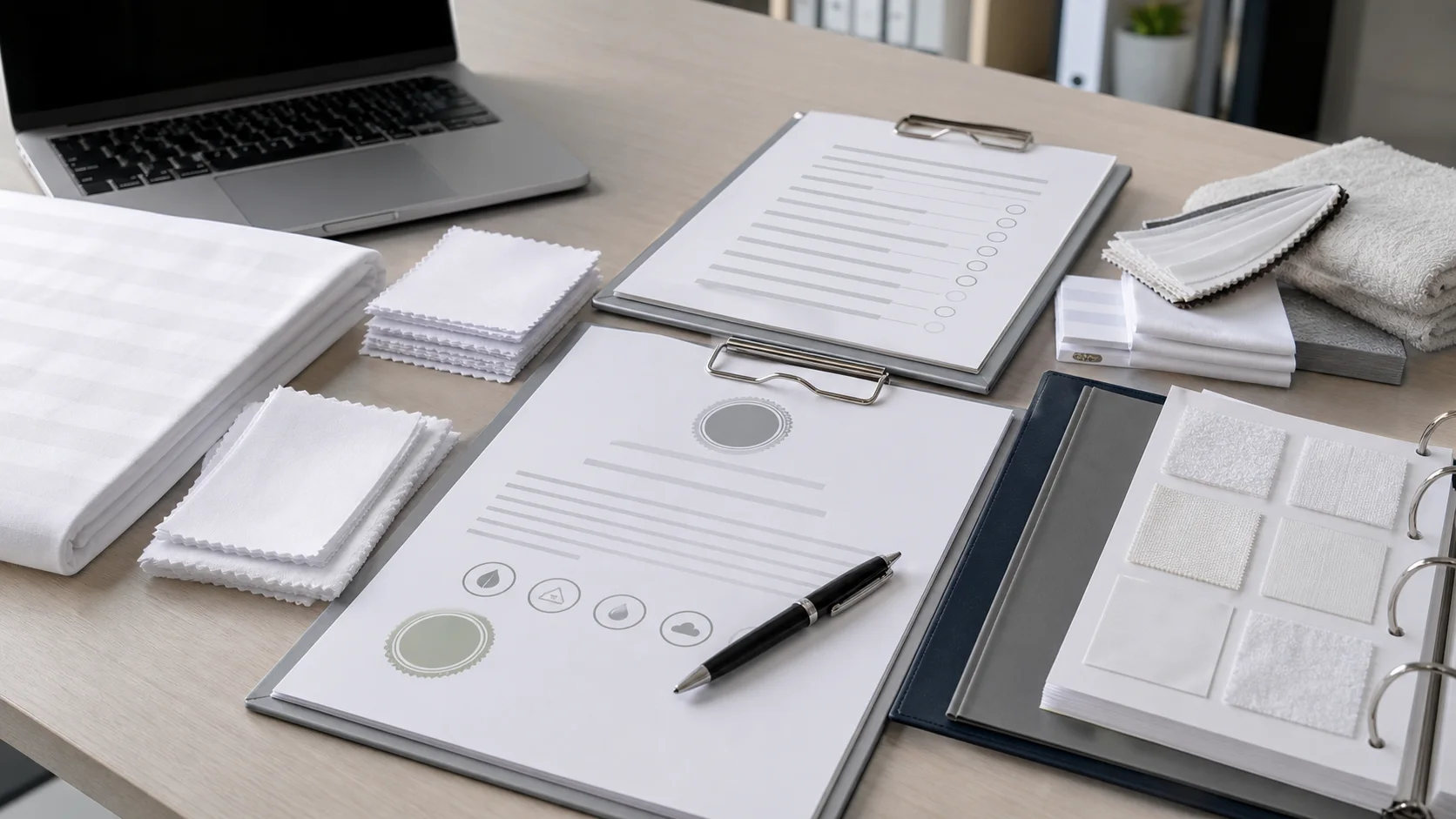
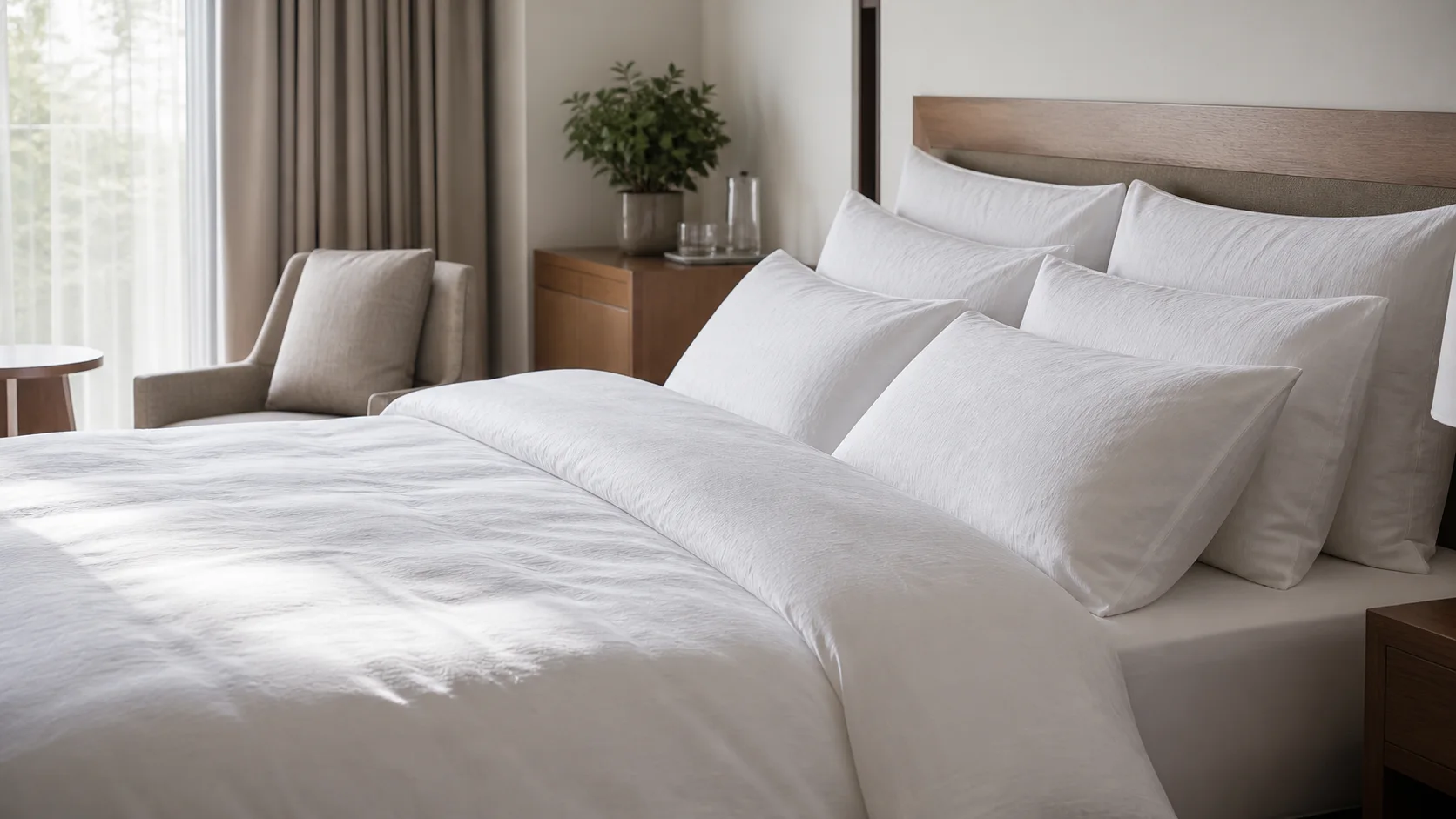
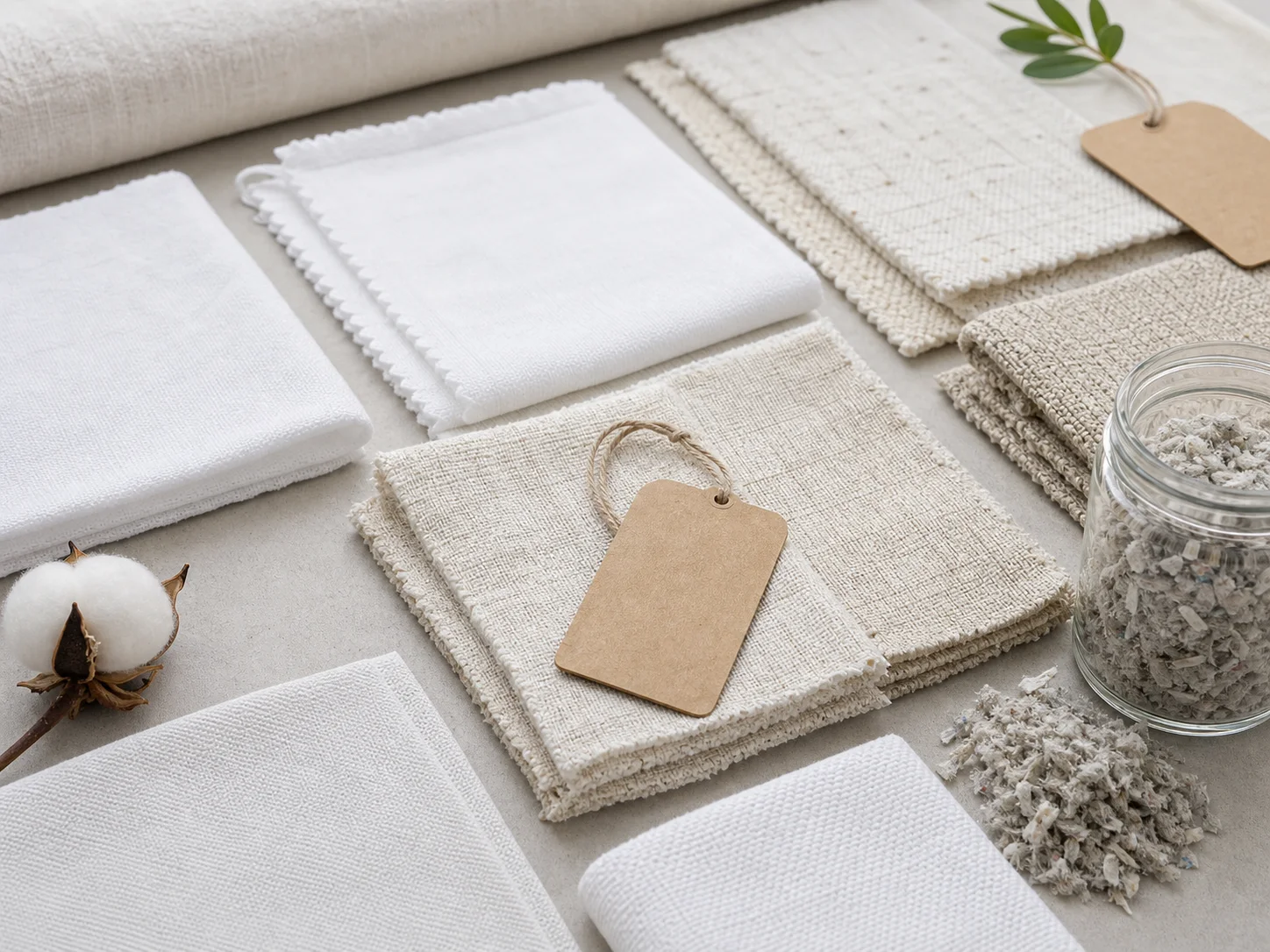
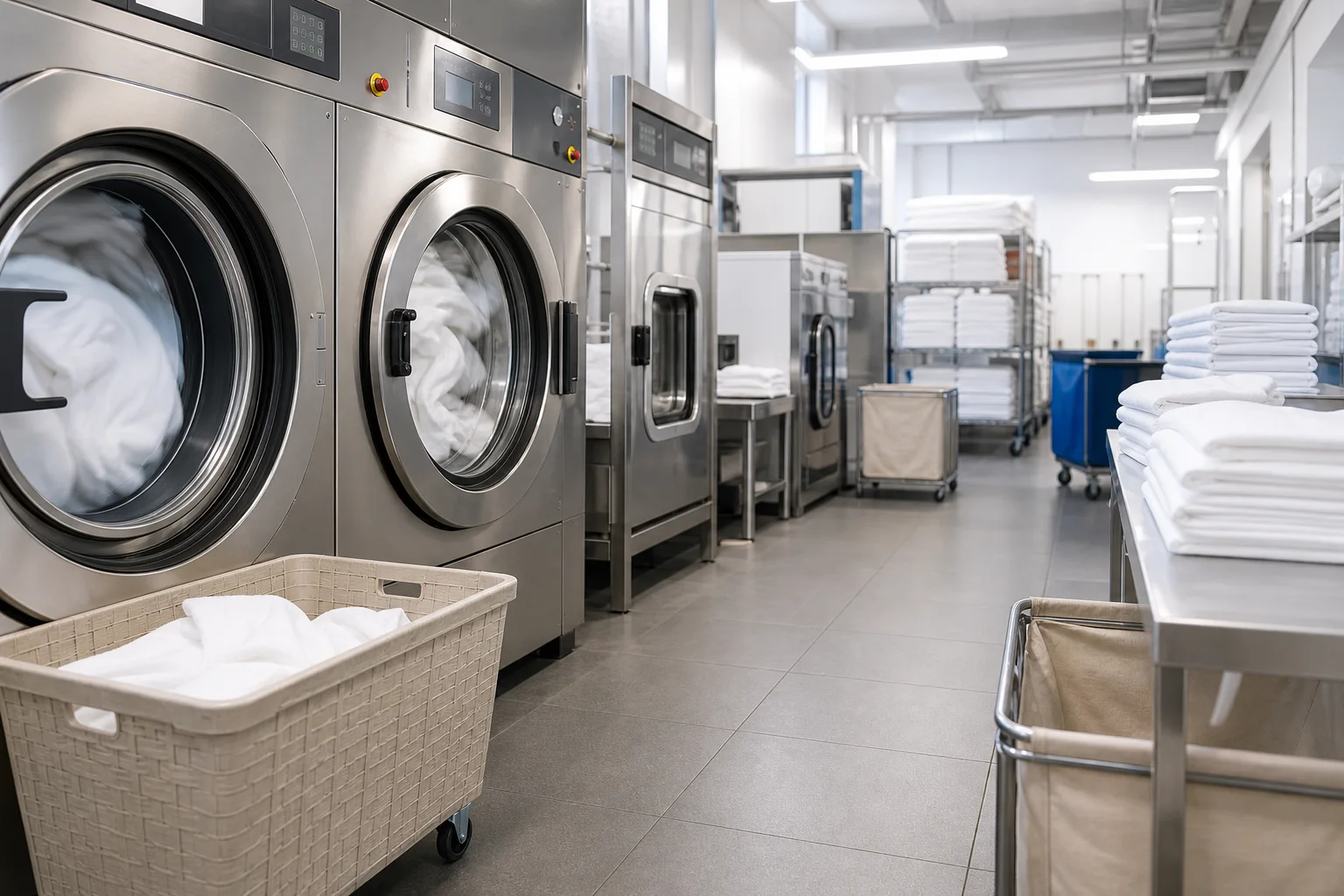
Materials and operations, shown together.
Product detail and back-of-house context help connect each specification choice to how the item looks, launders, stores, or survives service.
Sustainable Hotel Linen in 2026: Standards, Materials & ESG Requirements
Sustainability used to be a line in the marketing brochure. Now it’s a line in the spec. Guests check green credentials before they book. Corporate travel buyers screen suppliers against environmental criteria. Eco-label programs want to know what your beds and bathrooms are actually made of. For a purchasing team, that means sustainable hotel linen isn’t a side project anymore. It’s part of how you specify, source, and report.
This guide covers why the pressure is real in 2026, which fabrics genuinely earn the “sustainable” label (and which ones need an asterisk), the operational levers that matter as much as the material, and how to check green claims before they bite you. It ends with a procurement checklist you can hand straight to a hospitality textile supplier.
Key takeaways
- Sustainable hotel linen is now an ESG and revenue issue. Guest expectations, corporate travel screening, and eco-label programs like Green Key, EarthCheck, LEED, and the GSTC criteria all push in the same direction.
- No single fabric is “most sustainable.” Organic cotton, recycled polyester (rPET), TENCEL lyocell, and linen/flax each trade off water, durability, and processing differently.
- Durability is a sustainability lever. Linen that survives more wash cycles means fewer replacements, less waste, and lower lifetime cost.
- Operations matter as much as material. Reuse programs, low-temperature laundering, and efficient washing often cut more impact than the fiber choice alone.
- Verify claims against recognized certifications (GOTS, OEKO-TEX, GRS, EU Ecolabel) rather than trusting vague “eco” labels on a spec sheet.
Why sustainable hotel linen matters now
Three forces have converged to make this a 2026 priority instead of a “someday” goal.
Guest expectations. Travelers factor environmental practices into where they book, and they notice the visible signals: reuse cards, refillable amenities, properties that can talk credibly about their supply chain. Linen is one of the most tangible touchpoints a guest has with your sustainability story. They sleep in it.
Corporate ESG reporting. Hotels chasing corporate and group business now get asked to document environmental practices in RFPs as a matter of routine. Buyers want evidence: certified materials, supplier audits, water and energy data. A linen program with verifiable certifications makes you easier to approve and harder to disqualify.
Eco-label and certification programs. Several recognized schemes shape what “green” means in hospitality, and most touch textiles directly or indirectly:
- Green Key: an international eco-label for tourism establishments. Its criteria cover laundry practices, linen reuse options, and responsible purchasing, so your textile choices and laundering policies count toward certification.
- EarthCheck: a science-based certification and benchmarking program for travel and tourism that tracks resource consumption, including the water and energy tied to laundry operations.
- LEED: a green-building rating system. It’s mostly about the building itself rather than the linens, but procurement and operational choices feed the broader environmental performance that LEED-certified properties aim for.
- GSTC criteria: the Global Sustainable Tourism Council maintains the baseline standards that many hotel certification programs are built on, covering sustainable purchasing and resource efficiency.
You don’t need to chase every program at once. The point is simpler. Auditors and buyers keep asking what your linen is made of and how it’s laundered, and a credible answer takes deliberate sourcing.
Sustainable materials: what genuinely qualifies
“Sustainable” is a spectrum, not a switch. Here’s an honest look at the main options for hotel bed and bath linen.
Organic cotton
Grown without synthetic pesticides and fertilizers, organic cotton cuts the chemical load on soil and water. It’s usually certified under GOTS (Global Organic Textile Standard), which also governs processing and labor conditions. It feels familiar to guests and launders like conventional cotton. One caveat worth saying out loud: cotton is water-intensive to grow no matter how it’s farmed, so “organic” speaks to the chemistry more than the total water footprint.
BCI / Better Cotton
The Better Cotton Initiative isn’t an organic standard. It’s a program that trains farmers in more responsible practices, including more efficient water and pesticide use. Better Cotton is mass-balanced through the supply chain rather than physically traced to a specific sheet. Treat it as a continuous-improvement commitment, not a guarantee of organic fiber in the product you’re holding.
Recycled polyester (rPET)
Made from post-consumer plastic (often bottles) or recycled textiles, rPET diverts waste and uses less virgin petroleum. In blends it adds wrinkle resistance and durability. Look for GRS (Global Recycled Standard) certification to verify the recycled content. The honest caveat: polyester is a synthetic whether it’s recycled or not, and it sheds microfibers in the wash. Use it in durable blends. Don’t market it as a no-impact fiber.
TENCEL lyocell and modal
These are regenerated cellulose fibers made from wood pulp. Lyocell is produced in a closed-loop process that recovers and reuses most of the solvent, which is why branded lyocell and modal rank among the more responsible man-made fibers. They’re soft, breathable, and moisture-wicking. The watch-out: it all depends on responsibly sourced pulp and the closed-loop process actually being used. Certification and reputable sourcing matter here.
Linen and flax
Flax, the plant linen is made from, typically needs less water and fewer inputs than cotton and grows well in temperate climates. Linen is exceptionally durable and gets softer with washing, which feeds straight into the longevity argument below. The trade-offs are real. It wrinkles, it has a textured hand that not every property wants on a luxury bed, and unbleached or low-processed versions carry the smallest footprint.
Bamboo viscose
Bamboo is fast-growing and renewable as a raw material. But most “bamboo” bed linen is actually bamboo viscose (rayon), a regenerated fiber made through a chemically intensive process. The plant is sustainable. The conventional conversion process often is not. If you’re considering bamboo, ask specifically about closed-loop processing and certification, and tread carefully around the marketing claims, which regulators in several markets watch closely.
Blends
Cotton-polyester and cotton-rich blends dominate hospitality because they’re durable and easy-care. A blend that lasts longer and launders at lower temperatures can beat a pure natural fiber on lifetime footprint if that natural fiber wears out faster. Just account for microfiber shedding and end-of-life recyclability before you call it a win.
Sustainable materials comparison table
| Material | Renewable? | Water footprint | Durability | Best use | Watch-outs |
|---|---|---|---|---|---|
| Organic cotton (GOTS) | Yes (plant) | High (cotton is thirsty) | Good | Premium sheets, guest-facing eco story | Organic ≠ low water; verify GOTS |
| BCI / Better Cotton | Yes (plant) | Lower than conventional cotton | Good | Volume programs, gradual improvement | Mass-balanced, not physically traced |
| Recycled polyester (rPET) | Partially (recycled feedstock) | Low | High | Durable blends, bath mats, curtains | Microfiber shedding; verify GRS |
| TENCEL lyocell / modal | Yes (wood pulp) | Moderate, closed-loop | Good | Soft, breathable luxury sheets | Needs responsible pulp + closed loop |
| Linen / flax | Yes (plant) | Low | Very high | Long-life sheets, casual-luxe looks | Wrinkles; textured hand |
| Bamboo viscose | Plant yes, process often no | Moderate | Moderate | Use with caution | Chemically processed; marketing scrutiny |
| Cotton-poly blend | Partially | Moderate | High | Easy-care, high-turnover linens | Mixed-fiber recycling is harder |
Impact levers beyond the fiber name
The fabric on the label is only part of the story. These levers often move the needle more.
Water in cultivation and processing. Cotton’s thirst happens mostly in the field. Lyocell’s efficiency comes from the closed-loop factory. When you compare materials, compare the whole journey, not just the headline fiber.
Dyeing and finishing chemistry. A huge share of textile pollution comes from dyeing and finishing. This is where OEKO-TEX STANDARD 100 (tests the finished product for harmful substances) and GOTS (governs organic processing, including restricted chemicals) earn their keep. Undyed, low-process, and certified-dye linens reduce chemical impact regardless of the base fiber.
Microfiber shedding. Synthetic and blended fabrics release microfibers during washing. That doesn’t disqualify rPET, since the recycled-content benefit is real, but it’s a reason to favor durable constructions, efficient laundry filtration where you can get it, and natural fibers in high-shed applications.
Durability means fewer replacements. This is the most underrated sustainability lever in hospitality. A sheet that survives 200-plus industrial wash cycles instead of 100 roughly halves the raw material, manufacturing, and shipping impact per night of service. It also cuts cost. Specifying for longevity (good fiber, tight weave, reinforced hems) is a sustainability decision as much as a quality one.
End-of-life and take-back. Ask suppliers about recyclability and whether they offer take-back or recycling pathways for retired linen. Pure single-fiber textiles are easier to recycle than mixed blends, which is a point in favor of natural fibers when end-of-life recovery matters to you.
Packaging. Bulk, plastic-light, recyclable packaging on inbound shipments is an easy win that buyers keep overlooking. Specify it.
Operational sustainability: the laundry is half the battle
For most hotels, the in-use phase (washing, drying, replacing) drives the majority of a linen’s lifetime footprint. Materials get the headlines. Operations get the results.
- Linen reuse programs. Towel and sheet reuse cards let guests opt out of daily changes. They’re simple, guests accept them, and they earn direct credit under programs like Green Key. They cut water, energy, detergent, and linen wear in one move.
- Low-temperature commercial laundering. Modern detergents and processes clean effectively at lower temperatures and save real energy. Choosing linens validated for lower-temperature wash cycles supports this without compromising hygiene.
- Ozone laundry systems. Ozone-assisted laundering can clean at cooler temperatures and cut energy and chemical use. It’s a capital investment, but for high-volume properties it can meaningfully lower the per-load footprint.
- Spec for the laundry you have. A fabric is only sustainable in practice if it tolerates your real wash regime for hundreds of cycles. Match the material to your laundry’s temperatures, chemistry, and handling.
How to verify green claims and avoid greenwashing
The fastest way to get burned is to take “eco-friendly” on a spec sheet at face value. Tie every claim to evidence.
- Demand certification documents, not adjectives. “Sustainable,” “natural,” and “eco” are unregulated marketing words. GOTS, OEKO-TEX, GRS, and the EU Ecolabel are verifiable. Ask for current certificates and check that they cover the specific product, not just the factory.
- Watch for vague or selective claims. A “made with organic cotton” sheet might contain a small percentage of it. Ask for the exact fiber content and the certified portion.
- Match the claim to the right standard. Recycled content means GRS. Harmful-substance safety means OEKO-TEX. Organic fiber and processing means GOTS. Don’t let one stand in as proof of another.
- Look at the whole chain. Responsible sourcing covers labor and factory conditions too. Recognized social-compliance audits (such as amfori BSCI) and quality systems (such as ISO 9001, verified by third parties like Bureau Veritas) signal a supplier that takes documentation seriously.
For a deeper breakdown of each label and what it actually certifies, see our companion guide on hotel textile certifications. This post keeps the certification detail high-level on purpose.
A sustainable linen procurement checklist
Hand this to your hospitality textile supplier and ask them to answer point by point.
- Fiber content and origin. Exact composition, and is the sustainable portion certified?
- Certifications. GOTS, OEKO-TEX STANDARD 100, GRS, or EU Ecolabel as relevant, with current documents.
- Dyeing and finishing. What chemistry is used, and is it OEKO-TEX tested?
- Durability data. Expected wash-cycle life under commercial laundering.
- Laundry compatibility. Validated for your temperatures and chemistry?
- Microfiber profile. For synthetics and blends, how is shedding managed?
- End-of-life. Recyclability and any take-back program.
- Packaging. Recyclable, plastic-light inbound packaging.
- Social and quality compliance. Factory audits (e.g., amfori BSCI) and quality certification (e.g., ISO 9001).
- Samples. Request physical samples to confirm hand-feel and quality before you commit to volume.
Build your spec around durability and certified materials first, then tune operations around reuse and efficient laundering. Good fiber, verified claims, smart in-use practices. That combination is what a credible sustainable linen program actually looks like.
Frequently asked questions
What is the most sustainable hotel linen material? There’s no single winner. Linen/flax scores well on water and durability, TENCEL lyocell on closed-loop processing, organic cotton on chemistry, and rPET on waste diversion. The best choice depends on your application, laundry, and which impacts you’re prioritizing.
Is bamboo bed linen actually eco-friendly? The bamboo plant is renewable, but most bamboo bedding is bamboo viscose (rayon) made through a chemically intensive process. Unless it’s produced in a certified closed-loop system, the sustainability claim is weaker than the marketing suggests. Verify before you buy.
Do sustainable linens cost more? Certified sustainable linens can carry a higher upfront price, but durability and efficient laundering often lower the lifetime cost. A longer-lasting sheet bought less often, washed at lower temperatures, can be cheaper per night of service.
Which certifications should I look for in sustainable hotel linen? GOTS for organic fiber and processing, OEKO-TEX STANDARD 100 for harmful-substance safety, GRS for recycled content, and EU Ecolabel for overall environmental performance. Always confirm the certificate covers the specific product.
How does linen reuse help my sustainability goals? Towel and sheet reuse programs cut water, energy, detergent, and linen wear with high guest acceptance, and they count toward eco-labels like Green Key. They’re one of the lowest-cost, highest-impact operational moves available.
Can sustainable linen still meet luxury standards? Yes. Organic cotton sateen, TENCEL lyocell, and high-quality linen all deliver a premium hand-feel. Sustainability and luxury line up more often than they clash these days. The key is specifying certified, durable materials rather than the cheapest “eco” label.
Internal links: hotel-textile-certifications-explained, how-to-choose-hotel-bed-linen, hotel-linen-par-stock-guide
Planning a more sustainable linen program? Request fabric samples, a full product catalog, or a custom quote from a hospitality supplies partner to compare certified materials and durability data side by side. Build your specification around verified certifications and lifetime performance, and make your supplier prove every green claim before you commit to volume.